
Margin of safety: how we account for being wrong
It's impossible to predict the future, but with a 20% margin of safety against our calculated fair value, we can afford to be wrong. If Sunbeam & Cloud Ltd's…
Read more
Guide
A Swedish equity fund is best chosen on four things: what it costs relative to what you actually get, whether it is actively managed or index-hugging, how concentrated the portfolio is, and whether the process behind its decisions can be understood and held accountable. This guide covers all four.
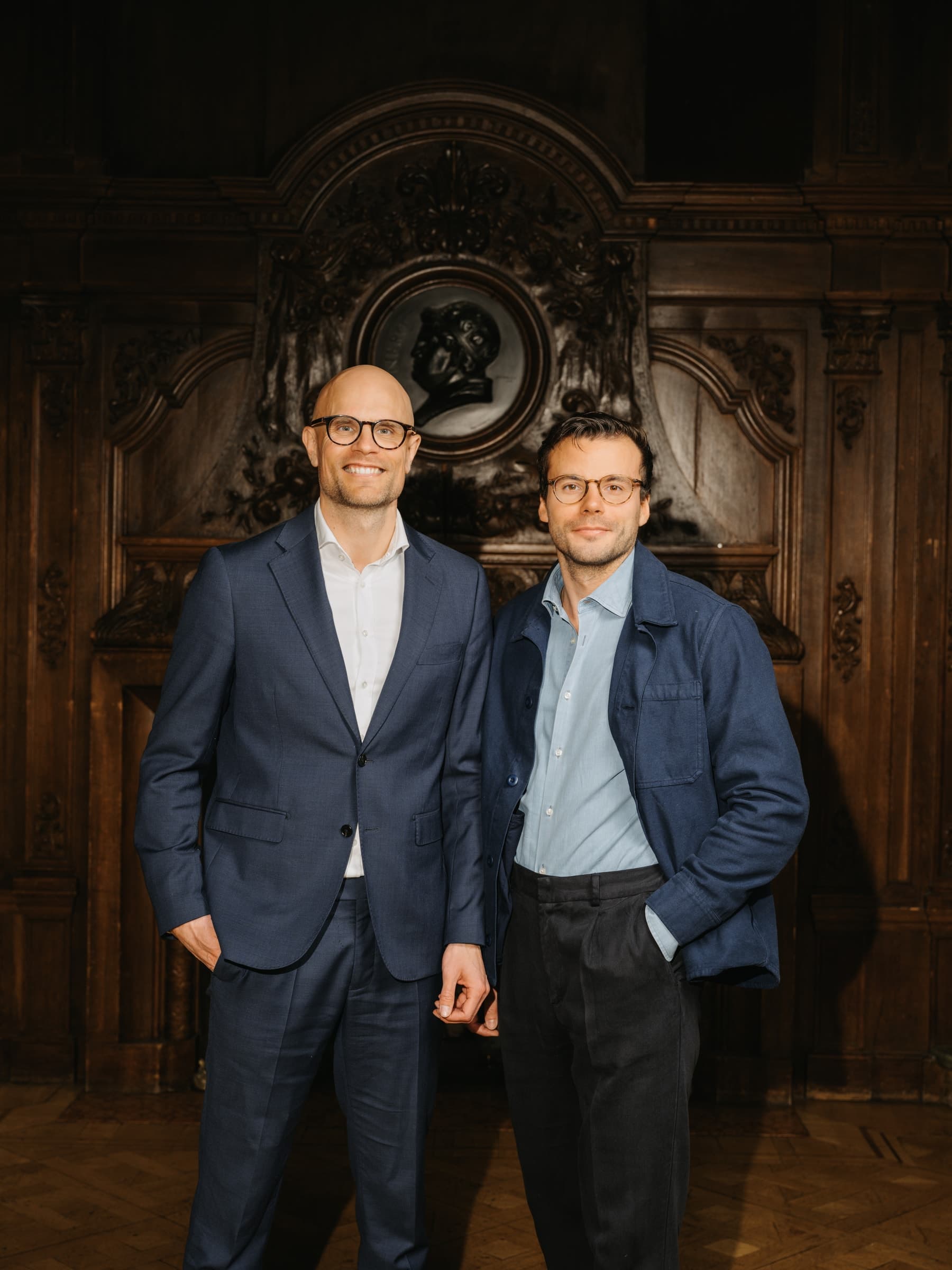
A Swedish equity fund, sverigefond in Swedish, is an equity fund that under its fund rules invests at least 80 percent of its capital in companies listed in Sweden. That says nothing about how the fund is managed, only where it invests. Two Swedish equity funds can look completely different depending on how they handle the four questions below: fee, active management versus indexing, portfolio concentration, and how clear the process behind the decisions is.
An index fund holds every company in its benchmark, regardless of quality or price, and charges a low fee because no active selection takes place. An actively managed fund selects companies in and out based on its own analysis, and charges for that work.
The question is not which type is better in itself. The question is whether the active fee actually buys something you cannot already get more cheaply through an index, which brings us to both the price and how the fund actually invests.
According to Finansinspektionen's (the Swedish FSA) comparison figures for the first quarter of 2026, the median fee for actively managed Swedish equity funds was 1.30 percent, against 0.20 percent for Swedish index funds. That gap is what you pay for active management.
That amount should be justified by what the fund actually does differently from the index. If it cannot be, it matters less how well the managers present their strategy.
Amos Value's management fee is 1.25 percent, below the median for actively managed Swedish equity funds. That makes us a low-fee Swedish equity fund in that comparison, even though cheaper options exist among index funds.
Source: Finansinspektionen, comparison figures for fund fees, the first quarter of 2026.
Active share measures how much of a fund's holdings differ from its benchmark index, expressed as a percentage. A fund with low active share resembles its index despite charging an active fee, sometimes called closet indexing.
A fund with high active share holds a portfolio that genuinely differs, a precondition for beating the index over time, though never a guarantee of doing so. If an actively managed fund sits close to an index fund on active share, the question is worth asking directly: what are you paying for?
Amos Value's active share stands at 91% (As of 30 September 2026), calculated continuously against the fund's benchmark. It follows directly from building the portfolio company by company through our own analysis, not from index weights.
Read more about what counts as a high or low active share in our glossary.
A broad Swedish equity fund with 60 to 100 holdings often moves close to its index almost by definition, since each individual position carries too little weight to affect the outcome. A concentrated fund with fewer holdings gives every position real significance.
That raises both the potential to diverge from the index and the risk from individual mistakes. It is a deliberate trade-off, not a flaw in either approach.
Ask how the fund decides what a company is worth, and what makes it sell. An answer that only points to past returns says little about the future.
An answer that describes concrete criteria, for example requirements on balance sheet strength, profitability and a defined margin of safety against a fair value, can be tracked over time and held the fund accountable to.
| Fee | What does the fund cost relative to its index, and what does the difference actually buy you? |
|---|---|
| Active or index | Does the fund actually deviate from its index, or is it charging an active fee for index-hugging holdings? |
| Active share | How much of the portfolio differs from its benchmark index? Amos Value: 91% (As of 30 September 2026). |
| Concentration | How many holdings does the fund have, and does each position carry enough weight to matter? |
| Process | Can you understand and track how the fund makes its buy and sell decisions? |
Amos Value is an actively managed Swedish equity fund built around these principles: a concentrated portfolio of 25 to 40 holdings, a fair value set company by company, and a required margin of safety before we buy. Active share stands at around 91% (As of 30 September 2026).
Note: our newsletter is currently in Swedish only.
Read our latest updates and insights.
It's impossible to predict the future, but with a 20% margin of safety against our calculated fair value, we can afford to be wrong. If Sunbeam & Cloud Ltd's…

Interest rates have risen by 0.6 percentage points since the fund's inception, and real estate holdings have taken the hit. Banks held their ground, and NYAB…

Dagens Industri's investigation into hidden index funds revealed that "actively managed" funds can have an active share as low as 35 percent. A high active…